Domain Backorders and Drop Catching Explained
Who really gets an expiring name: the registrar, a drop catcher or you? How pending delete works, where to place a backorder (NameJet, SnapNames, DropCatch, Dynadot, GoDaddy), how auctions play out and what to check before you bid.
 DeepScan.pro

You find an old name with clean, relevant links, and it expires next month. Whether it ends up in your network depends on three things: which registrar holds it, where you place your order, and what you check before you put money down. Here's how the whole chain works in practice, from expiry to the moment the name lands in your account or goes to someone else.
Backorder vs pre-order: what you're actually buying
A backorder (some registrars call it a pre-order) is a request to grab a name the moment it's released. Drop catching is the interception itself: specialised services fire registration requests at the registry, the organisation that runs the whole zone (Verisign for .com), in the same second the domain becomes available.
Key point: you pay only if the catch succeeds. No catch, no charge. That's why experienced people spread orders across several services instead of betting on one.
This is not the same as when you register a domain from scratch. A new domain comes with a blank history. A caught one arrives with its past: links, traffic, and sometimes a penalty you inherit along with the keys.
From expiry to drop: the timeline
When names expire, gTLD zones (.com, .net, .org and similar) follow the same path. The registrar, the company where the name is registered, controls the first part. The registry controls the rest.
| Stage | Duration | What happens |
|---|---|---|
| Expiry | Day 0 | The owner didn't renew. The site may keep working for a few days |
| Grace period | 0–45 days, varies | The owner can still renew at the normal price. The name is often auctioned here |
| Redemption | 30 days | The name stops working. Only the old owner can restore it, for a hefty fee |
| Pending delete | 5 days | Nobody can renew or restore it. The drop date is fixed |
| Drop | Around day 75 | The name is released. First request to reach the registry wins |
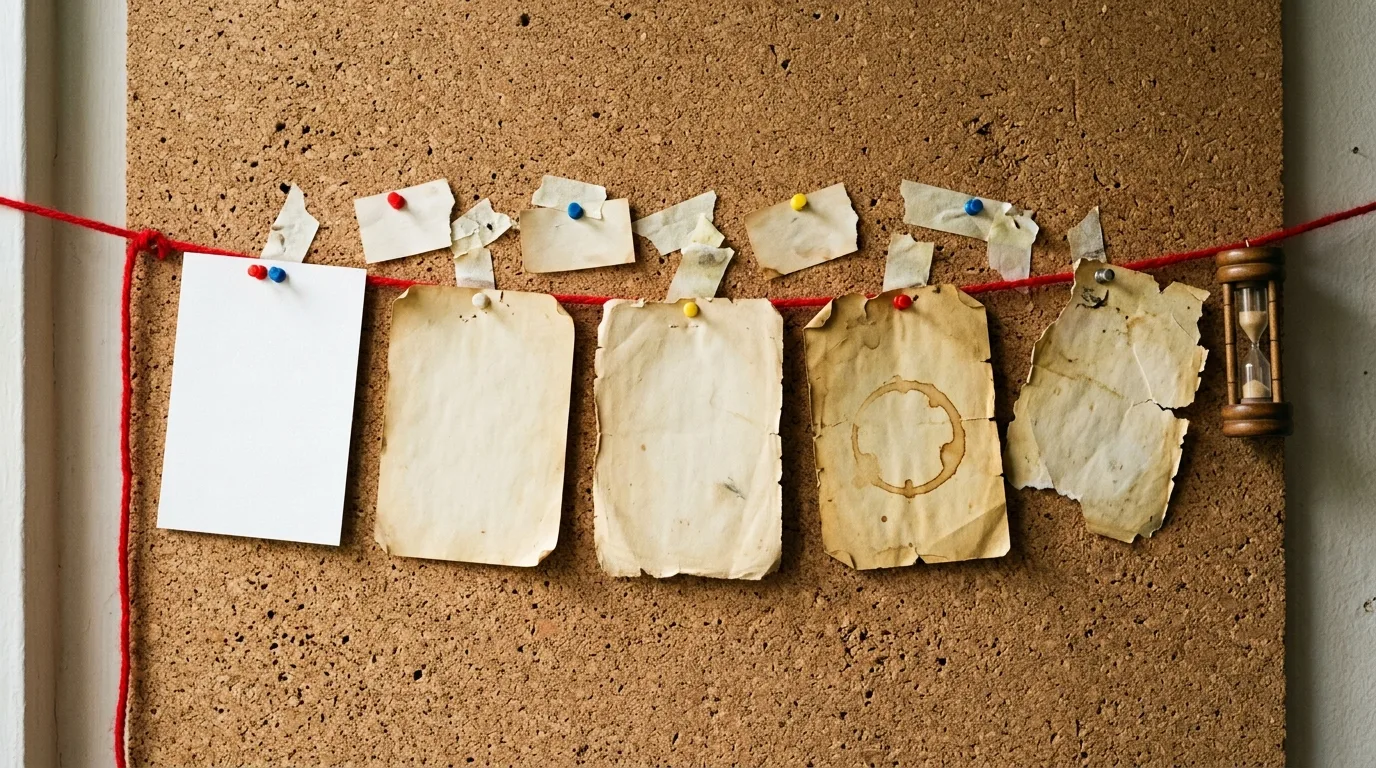
Domain drops for .com and .net happen daily, starting around 2 p.m. US Eastern time, and names are released one after another. Everything before pending delete is noise: the owner can still renew, and the name can still be sold before it drops.
Pending delete is the only stage with a guaranteed date. Track names earlier if you like, but plan your budget and orders around this five-day window.
At the moment of release there's no queue. That's why catchers run hundreds of accredited registrars: each accreditation gives its own connections to the registry (EPP connections, the technical channel used to create names), and more connections mean more shots in the same fraction of a second. A regular registrar with a few connections almost never beats them on a name someone else wants.
Who gets the name first: the registrar, not you
What newcomers miss: the most valuable names never reach the drop. Big registrars sell them during the grace period through their own auctions or partners. If you watch only pending delete lists, you're fishing in what's left.
So start with WHOIS, the public record that shows where a name is registered. The registrar of record tells you where the name will actually be sold:
- GoDaddy → GoDaddy Auctions. Listed 26 days after expiry for 10 days, then 5 days of closeout from day 37. Everything ends on day 43.
- Network Solutions, Register.com, Domain.com, IONOS, PublicDomainRegistry, CrazyDomains, and since mid-2025 Bluehost and HostGator → NameJet and SnapNames, before pending delete.
- Dynadot, Namecheap, NameSilo → their own expired auctions.
- Whatever doesn't sell there goes back to the registry, through pending delete, and drops. That's where DropCatch, NameJet, SnapNames and Dynadot fight for the catch.
An order at a catcher does nothing for a name that sells before the drop. It costs you nothing, but if you're not watching that auction too, you'll miss the actual sale.
A trick that saves money: GoDaddy auctions are full of lots that end with no bids. Those names go back to the registry, enter pending delete and drop. If a name you like didn't sell on GoDaddy, keep it on your list and backorder it once pending delete starts. You'll often get it at the entry price, with no bidding war.
NameJet, SnapNames, DropCatch, Dynadot: where to place domain backorders

| Service | Owner | Entry price* | If several people order |
|---|---|---|---|
| DropCatch | TurnCommerce (also owns NameBright and HugeDomains) | $59 | Public auction, 3 days |
| NameJet | Newfold Digital | from ~$69–79 | Private auction, backorder holders only |
| SnapNames | Newfold Digital, one inventory with NameJet | from ~$69–79 | Same as NameJet |
| Dynadot | Dynadot | ~$25 | Backorder auction, 3 days |
| GoDaddy | GoDaddy | Opening bid in a GoDaddy auction | Regular GoDaddy auction |
*Prices change, so check them on the day you order. Everywhere on this list, you authorise a charge only if the catch succeeds.
DropCatch. The heavyweight for pending delete .com. Its owners spent years buying registrar accreditations (over a thousand at the peak), so on a contested name it's usually the favourite. Keep in mind that its sister company HugeDomains buys names too. Strong names that nobody orders sometimes get caught for that inventory and come back with a four-figure price tag.
NameJet and SnapNames. Two storefronts of the same company with one inventory. Their pre-release lots from Network Solutions and Register.com include some of the oldest registrations on the market, many from the 1990s. Don't order the same name on both: you'll end up bidding against yourself.
Dynadot. The cheapest serious option, and a good fit for mid-value PBN names (PBN: a private blog network, your own sites built to pass links) that nobody fights over. You need a paid order in the last 365 days or funds in your account. After a win you have 48 hours to pay. Miss it and you lose access to their auctions and backorders.
GoDaddy backorder. Useful for names registered at GoDaddy: it places your opening bid in their auction. For pending delete names elsewhere, it's the weakest catcher on this list.
How I stack backorders
- Contested .com in pending delete: DropCatch + NameJet (or SnapNames, never both) + Dynadot. Only one service catches the name, so you pay once. The price depends on who else ordered at the service that won the catch.
- Quiet names with modest metrics: Dynadot alone is often enough. Paying $59 for a name nobody else wants is overpaying.
- Timing: don't show your interest early. I place orders in the last days of pending delete, after my checks are done and before each service's cutoff, which can be hours before the drop.
- One specific domain you really need: order everywhere and set your auction ceiling in advance.
How do domain auctions work after the catch
If you were the only one who ordered at the service that caught the name, you get it at the entry price with no auction. If two or more people ordered there, it goes to auction. At NameJet and SnapNames only backorder holders can bid, while DropCatch auctions are public. GoDaddy's own expired auctions are open to any member.
The mechanics are almost the same everywhere:
- Proxy bidding. You enter your maximum, and the system raises your bid only as much as needed to stay ahead.
- Soft close. A bid in the final minutes extends the auction (by 5 minutes on GoDaddy and Dynadot). Sniping at the last second doesn't work, so set your real maximum once.
- Fast payment. GoDaddy and Dynadot give you 48 hours. Non-payers get banned.
GoDaddy auctions: the quirks
You need a membership ($4.99 a year), and a renewal fee is added on top of your bid. The old owner can renew the name until day 29 even if there are bids, so an early "win" can simply vanish. From day 30 renewal is blocked while bids exist, and after payment the name usually reaches your account within 15 days. Serious bidding before day 30 just shows your hand.
Set your ceiling before the auction starts. My rule for PBN names: no more than a third of what the same live, relevant links would cost through outreach. Some of those links will die within a year anyway.
What to check before you bid
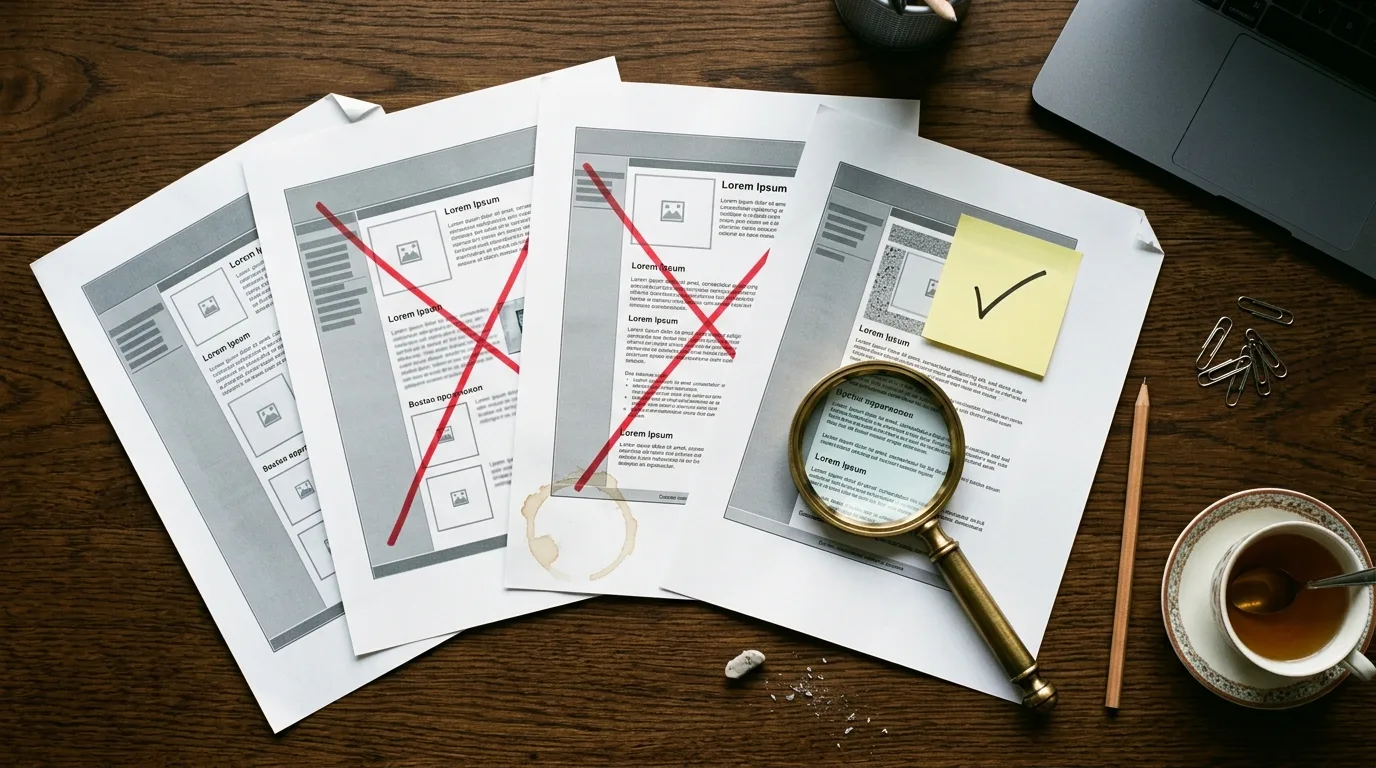
Most money in this game is lost not in auctions but on names that looked good in a spreadsheet. Before any bid, run through this list:
- Archive history by year. Open snapshots in the Wayback Machine (web.archive.org) for every year. Topic switches, casino or pharma pages, doorways in Japanese or Chinese, years of parking: for a white project, one spam period is enough to walk away.
- Link profile. Look at anchors and where links come from. Pharma and casino anchors, sudden spikes of thousands of forum and comment links, links from dead PBNs: all red flags. High DR (Ahrefs' 0–100 link strength score) built on spam is worth nothing.
- Indexing. Search
site:example.com. A name with strong links and zero pages in the index was probably deindexed. - Ownership history. How many times has it dropped and changed hands? In my experience, three or more drops usually mean each new owner squeezed it for spam.
- Blacklists. Spamhaus DBL, SURBL, Google Safe Browsing. A listing kills email and often the site.
- Trademarks. A brand in the name is a direct road to a UDRP complaint (a fast arbitration process that takes the name away) and, in the US, to cybersquatting claims.
- Registrar of record. It tells you where and when the name will really be sold.
Doing this by hand for 300 names takes a full day. For bulk checks I use deepscan.pro, a service to check and buy expired domains: it shows archive history by year with a spam verdict, link metrics, and lots from major auctions in one catalog. It doesn't replace your judgement, but it turns a long list of expiring domains into the ten names worth a manual look.
The legal side: catching isn't telecommunications interception
Catching is plain domain registration
In our world, "interception" means grabbing a name at release. In telecom law the word means something else entirely. Search for it and you'll hit laws like Australia's Telecommunications (Interception and Access) Act, which sets a prohibition on interception of communications passing over a telecommunications system. To intercept communications lawfully, an agency generally needs an interception warrant. Drop catching is nothing of the kind: no warrant, no permission, first come, first served.
Residual email after you win the domain
Where the topic does touch you is residual email. A caught name keeps receiving mail meant for the previous owner: invoices, client messages, password reset links. If it used to belong to a small hosting company or a local telecommunications service, former customers may write to it for years. A 2016 IEEE study of re-registered names showed exactly how these leftovers get abused to take over accounts.

Don't turn on catch-all mail for caught names, and never use leftover messages to get into anyone's accounts. Using someone else's password reset is unauthorised access, a criminal law matter in most countries, not an SEO grey area.
Brand names: the expensive mistake
In the US, the Anticybersquatting Consumer Protection Act is a law imposing a pecuniary penalty: statutory damages from $1,000 to $100,000 per domain name. Through UDRP, a brand owner can take the name for a filing fee starting around $1,500, and your links leave with it.
White, grey and black: what works with caught names now
- White. Rebuild a site on the same topic. Restore the pages that had backlinks at their old URLs (with new content, not copied), so old links point to live pages again. Safest option, and it works.
- Grey. A PBN on caught names still works if the network leaves no footprints: different hosting and IP ranges, different themes and CMS setups, no shared analytics, believable content on the old topic. But since March 2024, Google's spam policies explicitly name expired domain abuse: buying an old name to host low-value or unrelated content and cash in on its reputation. A casino blog on a former kindergarten site is exactly what that policy targets. Topic continuity is your main protection.
- Grey, 301 redirects. Redirecting a whole caught name to a money site often gives a short boost that then fades. Page-to-page redirects to relevant pages hold up better. Test on a satellite, never on the main project.
- Black. Reviving spam names, cloaking, chains of dozens of redirects, posing as the old brand. It burns money fast and adds a manual penalty, a UDRP case or the legal trouble described above.
Country zones (ccTLDs such as .de or .uk) play by their own rules: many have no pending delete or release names on their own schedule. Don't assume the .com timeline everywhere.
How to sell domain names on GoDaddy when a catch doesn't fit
Not every caught name fits your network. Some are too brandable for a PBN, some turn out weaker than they looked. Reselling is part of the business.

The simplest route is List for Sale in your GoDaddy portfolio. The listing goes to Afternic, GoDaddy's aftermarket network, and appears with your price when people search for that name at GoDaddy and partner sites. A lot of the "GoDaddy premium domains" you see in search are exactly such investor listings. Commission, per GoDaddy's help page: 15% if the name uses GoDaddy's sale-page nameservers, 25% otherwise, plus 5% with the paid Boost promotion, with a $15 minimum.
What helps in practice:
- Point the name to the sale-page nameservers. Lower commission, and visitors see the price.
- Set a fixed Buy Now price. "Make offer" listings can sit for months.
- Auction or fixed price. If your plan is "just sell my domain on GoDaddy Auctions and move on," that works too, but expect investor bids, not end-user prices.
Quick checklist before your next backorder
- Check the registrar: will the name sell at its auction or reach the drop?
- Confirm the stage: pending delete means a fixed date.
- Check history, links, indexing, blacklists and trademarks.
- Set your maximum in advance.
- Choose services by competition: DropCatch + NameJet/SnapNames + Dynadot for contested names, Dynadot for quiet ones.
- Decide the use before you place the order: rebuild, PBN or resale.
Comments
Sign in to leave a comment
No comments yet — be the first.